Menu
Menu

 Account
 Cart
Cart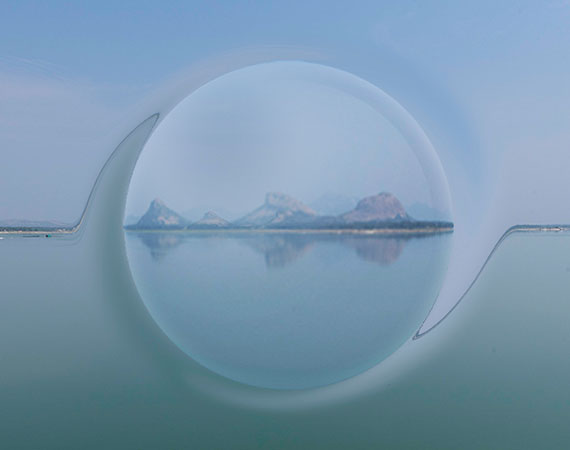
[T]he appreciation of landscape as an aesthetic object cannot be an occasion for
complacency or untroubled contemplation, rather it must be the focus of a historical,
political, and […] aesthetic alertness to the violence and evil written on the land, projected
there by the gazing eye.
- WJT Mitchell, Landscape and Power
The first thing that comes to mind about landscapes is that they are impositions. As framed views of the outside world, landscapes are inevitably tied up with structures of power that rely on these ideological visualisations for their realisation and functioning. By advancing selective visions of the world over others, landscapes retroactively bring a certain reality into existence, tailoring subjectivities to its fit. Whether it is the invitational depictions of the American frontier or the hegemonising outlooks on potential territories ripe for colonial exploitation, or the packaging of macho adventurism in the form of vignettes with cowboys riding through rugged terrain denoting the brilliant advertising formulation of the Marlboro Country, the instrumentation of landscapes for legitimising colonial domination, consolidating national/ regional identities, and naturalising socio-cultural constructs is well documented as is their continuing currency in contemporary global tourism, real estate and resource exploitation. The second interesting feature about landscapes is their relationship to time. As instances of ‘materialised time’1, landscapes participate in chronobiopolitics as a tool for tinkering and ordering the experience of time within a given socio-political milieu. By inveigling into different timelines that the land has been witness to, interpellating their subjects in a given role, and affecting an aura of timelessness, landscapes confirm select versions of reality that sanction specialised uses of time and modes of being, all the while covering their own tracks. In other words landscapes perform a historicising and naturalising function by enshrining their subjects in a frozen eternity and obfuscating the mechanisms that ordain this performance.
The first thing that comes to mind about landscapes is that they are impositions. As framed views of the outside world, landscapes are inevitably tied up with structures of power that rely on these ideological visualisations for their realisation and functioning. By advancing selective visions of the world over others, landscapes retroactively bring a certain reality into existence, tailoring subjectivities to its fit. Whether it is the invitational depictions of the American frontier or the hegemonising outlooks on potential territories ripe for colonial exploitation, or the packaging of macho adventurism in the form of vignettes with cowboys riding through rugged terrain denoting the brilliant advertising formulation of the Marlboro Country, the instrumentation of landscapes for legitimising colonial domination, consolidating national/ regional identities, and naturalising socio-cultural constructs is well documented as is their continuing currency in contemporary global tourism, real estate and resource exploitation. The second interesting feature about landscapes is their relationship to time. As instances of ‘materialised time’1, landscapes participate in chronobiopolitics as a tool for tinkering and ordering the experience of time within a given socio-political milieu. By inveigling into different timelines that the land has been witness to, interpellating their subjects in a given role, and affecting an aura of timelessness, landscapes confirm select versions of reality that sanction specialised uses of time and modes of being, all the while covering their own tracks. In other words landscapes perform a historicising and naturalising function by enshrining their subjects in a frozen eternity and obfuscating the mechanisms that ordain this performance.
It is also important to note here, that landscapes as teleological frames come with their own set of limitations. For instance, the conception of landscape privileges an anthropocentric perspective. The notion of landscape rarely, if ever, takes into account more-than-human worldviews with regards to the question of its definition, merely acknowledging their contribution as a compositional presence. This hierarchy of perspectives when it comes to the world-making power of landscapes, has serious implications for issues concerning ecological conservation and environmental justice. Other limitations of landscapes pertain to their presuppositions about nature and all that falls outside this pale of understanding. Traditionally, the genre of landscape paintings situate nature between the opposite polarities of inexhaustible bounty or encroaching wilderness, leaving little room for queer conceptualisations of nature that peek into deep, dark ecological recesses or extra-terrestrial spaces that resist human gaze. What happens when we strip landscape of all the conventions binding and governing it? Does this aesthetic unbinding produce ruptures in their inherent power dynamic or is the effect merely surficial? Can a different take on landscapes (and nature) illuminate novel ways of organising time and relating to the world around us?
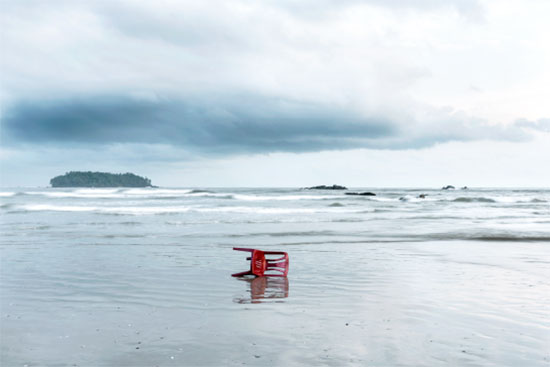
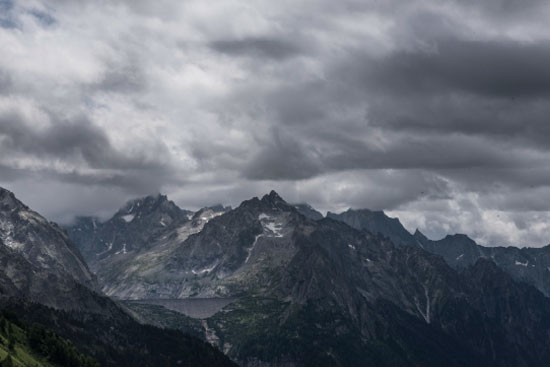
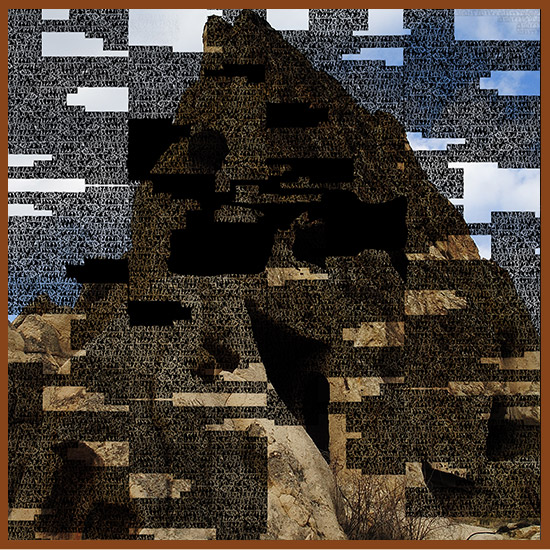
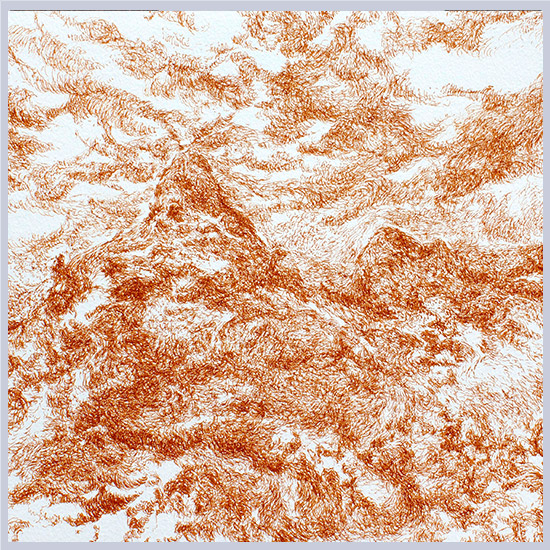
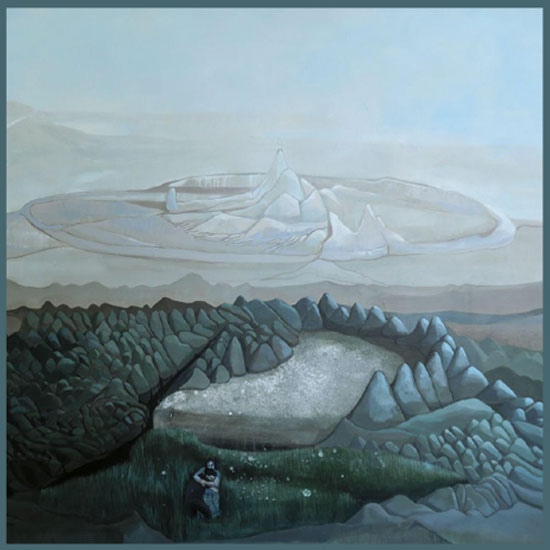
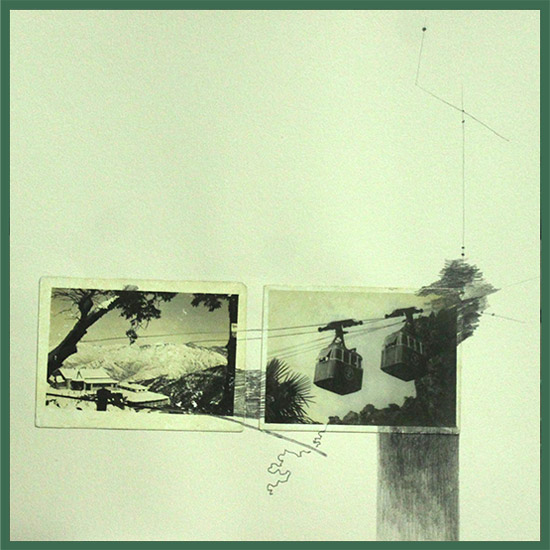
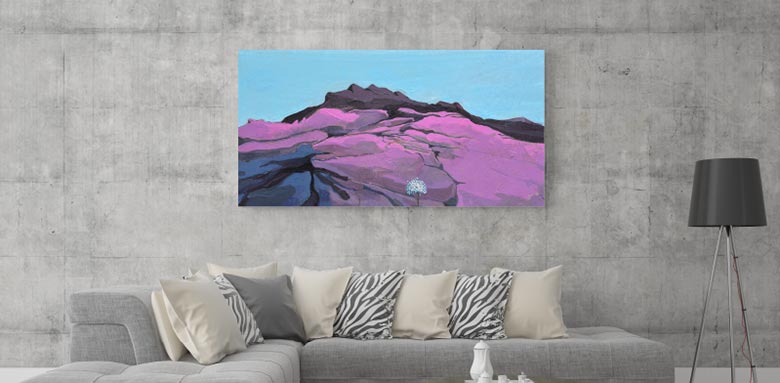
The works in this exhibition have been selected for the various ways in which they puncture the post-card picturesqueness of landscapes forcing them to productively malfunction. They shatter the illusion of timeless stasis that characterises landscapes calling into question their ambered contents, offer denatured glimpses of nature contesting picturesque with the sublime, defamiliarise our viewing of real landscapes and open up vistas that are fictional, flail the conventions commonly associated with landscape paintings and stretch their definitional boundaries making them permeable to a variety of perspectives, affects and ingresses. By exposing the artifice that allows landscapes to act as invisible instruments of indoctrination and putting these machinations in drag, these artworks snag the scenic tapestry of time, revealing convivial futurities in temporal glitches and enabling creative cross-stitching. A darned compositional understanding of landscapes and attention to the folds that the exhibition encourages will hopefully allow its audience a modicum of opacity reserved for surveying an unexplored territory and help them approach with a tentativeness better-suited for its navigation. The image of an errant horseman scouting dark territory from a popular PC game The Age of Empires comes to mind. Patches of darkness resolve into sight as the scout explores the unchartered territory. The terrain thus revealed is quickly gathered into an anonymous shade as the horseman draws away and any further development on that patch of land by a non-allied player will not be updated until the place is activated again by intentional allied movement. This to me signals the imperative to constantly update extant visions of a land in the light of new accounts and old ones that have newly come to light, calling for a phenomenological activation of places through vectors of movement and affect that generate situated knowledges around that land.
Barbara Bender, “Time and Landscape” in Current Anthropology, Vol. 43, No. S4, Special Issue Repertoires of Timekeeping in Anthropology. University of Chicago Press on behalf of Wenner-Gren Foundation for Anthropological Research, August/October 2002, pp. S103-S112.
It is also important to note here, that landscapes as teleological frames come with their own set of limitations. For instance, the conception of landscape privileges an anthropocentric perspective. The notion of landscape rarely, if ever, takes into account more-than-human worldviews with regards to the question of its definition, merely acknowledging their contribution as a compositional presence. This hierarchy of perspectives when it comes to the world-making power of landscapes, has serious implications for issues concerning ecological conservation and environmental justice. Other limitations of landscapes pertain to their presuppositions about nature and all that falls outside this pale of understanding. Traditionally, the genre of landscape paintings situate nature between the opposite polarities of inexhaustible bounty or encroaching wilderness, leaving little room for queer conceptualisations of nature that peek into deep, dark ecological recesses or extra-terrestrial spaces that resist human gaze. What happens when we strip landscape of all the conventions binding and governing it? Does this aesthetic unbinding produce ruptures in their inherent power dynamic or is the effect merely surficial? Can a different take on landscapes (and nature) illuminate novel ways of organising time and relating to the world around us?
The works in this exhibition have been selected for the various ways in which they puncture the post-card picturesqueness of landscapes forcing them to productively malfunction. They shatter the illusion of timeless stasis that characterises landscapes calling into question their ambered contents, offer denatured glimpses of nature contesting picturesque with the sublime, defamiliarise our viewing of real landscapes and open up vistas that are fictional, flail the conventions commonly associated with landscape paintings and stretch their definitional boundaries making them permeable to a variety of perspectives, affects and ingresses. By exposing the artifice that allows landscapes to act as invisible instruments of indoctrination and putting these machinations in drag, these artworks snag the scenic tapestry of time, revealing convivial futurities in temporal glitches and enabling creative cross-stitching. A darned compositional understanding of landscapes and attention to the folds that the exhibition encourages will hopefully allow its audience a modicum of opacity reserved for surveying an unexplored territory and help them approach with a tentativeness better-suited for its navigation. The image of an errant horseman scouting dark territory from a popular PC game The Age of Empires comes to mind. Patches of darkness resolve into sight as the scout explores the unchartered territory. The terrain thus revealed is quickly gathered into an anonymous shade as the horseman draws away and any further development on that patch of land by a non-allied player will not be updated until the place is activated again by intentional allied movement. This to me signals the imperative to constantly update extant visions of a land in the light of new accounts and old ones that have newly come to light, calling for a phenomenological activation of places through vectors of movement and affect that generate situated knowledges around that land.
Barbara Bender, “Time and Landscape” in Current Anthropology, Vol. 43, No. S4, Special Issue Repertoires of Timekeeping in Anthropology. University of Chicago Press on behalf of Wenner-Gren Foundation for Anthropological Research, August/October 2002, pp. S103-S112.

 @knownunknown.art